PCB Restructures Central Contracts to Meet Modern Cricket Demands
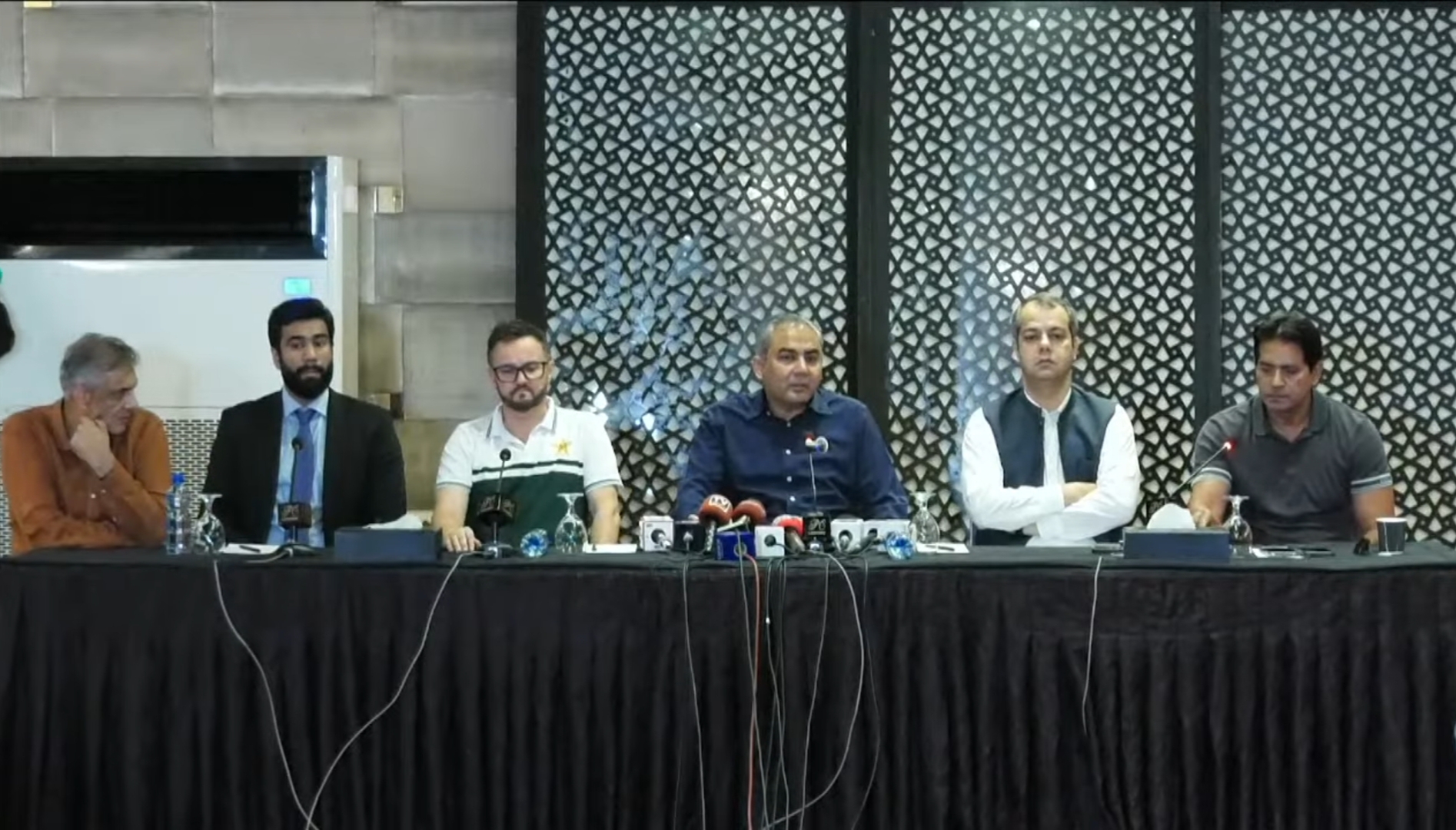
LAHORE: The Pakistan Cricket Board (PCB) has unveiled a sweeping revamp of its central contracts system, replacing the long-standing A, B, C and D grading structure with a new format-based model aimed at meeting the evolving demands of modern cricket.
Announcing the changes ahead of the 2026 contracts cycle, the PCB said players will now be categorised according to the formats they primarily represent, creating clearer roles and specialised career pathways.
At the top of the new framework is Track AB, dedicated to players who feature regularly in both Test and ODI cricket. This elite category is designed for cricketers capable of excelling across the two major formats, with occasional T20I appearances not affecting their classification.
Track A has been introduced exclusively for Test specialists. The board believes the category will help preserve and strengthen red-ball cricket by allowing players to focus on first-class and international Test commitments without the pressure of limited-overs schedules.
Meanwhile, Track BC will cater to players involved in both ODIs and T20Is, effectively becoming the primary pathway for Pakistan’s white-ball specialists. Track C, on the other hand, has been reserved for T20 experts and players heavily involved in franchise leagues, offering greater flexibility while maintaining national team responsibilities.
The final category, Track D, is aimed at emerging talent progressing through the National Cricket Academy and Pakistan’s high-performance system. Every senior track will also include two sub-tiers, enabling players to move up or down based on their performances.
According to the PCB, the new structure has been designed to improve accountability, establish defined progression routes and ensure the long-term health of Test cricket amid the growing influence of franchise leagues.
PCB Chairman Mohsin Naqvi said the revamped model brings greater transparency and provides players with a clearer understanding of expectations and selection criteria.
The system will come into effect from the 2026 central contracts cycle and will feature a three-step evaluation process, including fitness and medical assessments, compulsory domestic participation and format-specific performance reviews.
The board reiterated that player welfare and domestic cricket remain central pillars of the new framework, adding that special incentives have been introduced to protect and promote Test cricket.
Naqvi acknowledged that cricket boards around the world are grappling with the challenge of balancing franchise opportunities with international commitments, saying Pakistan has opted for structural reform to tackle the issue.
The PCB also confirmed that the individual categories and financial terms of players’ contracts will not be made public at this stage, describing the overhaul as a long-term strategy to modernise Pakistan cricket while safeguarding its traditional formats.
